Basketball Betting Advertising UK: Pressure, Regulation and Impact
 Available in US
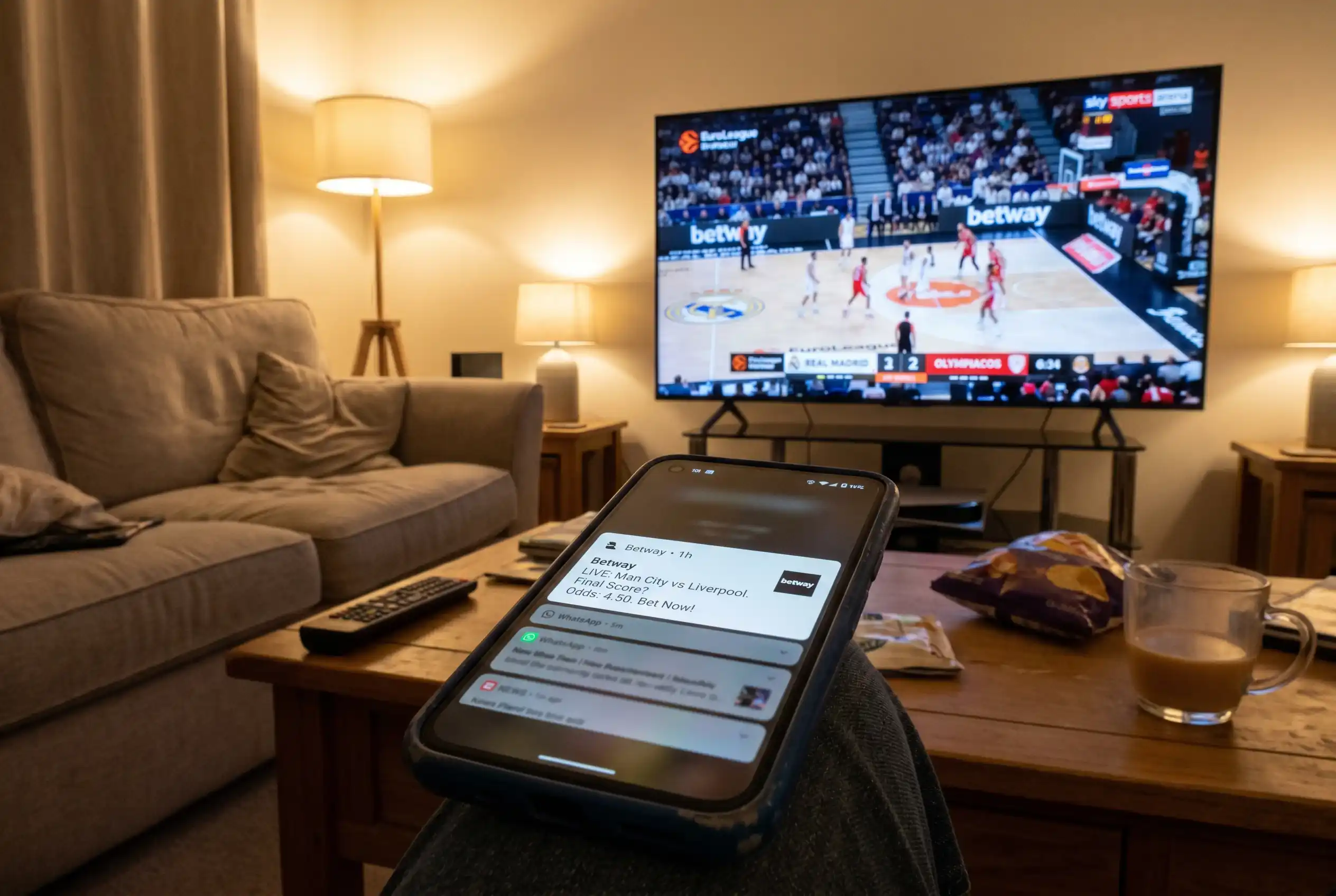
During the 2025 NBA Playoffs, I counted the betting prompts that appeared on my screen during a single game broadcast: fourteen. Pop-up notifications from two apps, a pre-game enhanced odds email, half-time ad breaks featuring three different operators, and in-broadcast graphics showing live odds for the second half. I am someone who bets on basketball professionally, and even I felt the pull. For someone with less experience or weaker impulse control, that volume of suggestion is designed to trigger action — and it works.
Gambling advertising in the UK has become one of the most contested regulatory topics in the industry, and basketball — particularly the NBA — sits at the intersection of sports media and betting promotion in ways that affect every UK bettor whether they notice it or not. Live football is the most commonly wagered-on sport in the UK, with 6% of adults placing in-play football bets in Q1 2025. Basketball advertising draws from the same playbook, adapted for a younger, more digitally engaged audience.
How Basketball Betting Is Marketed to UK Audiences
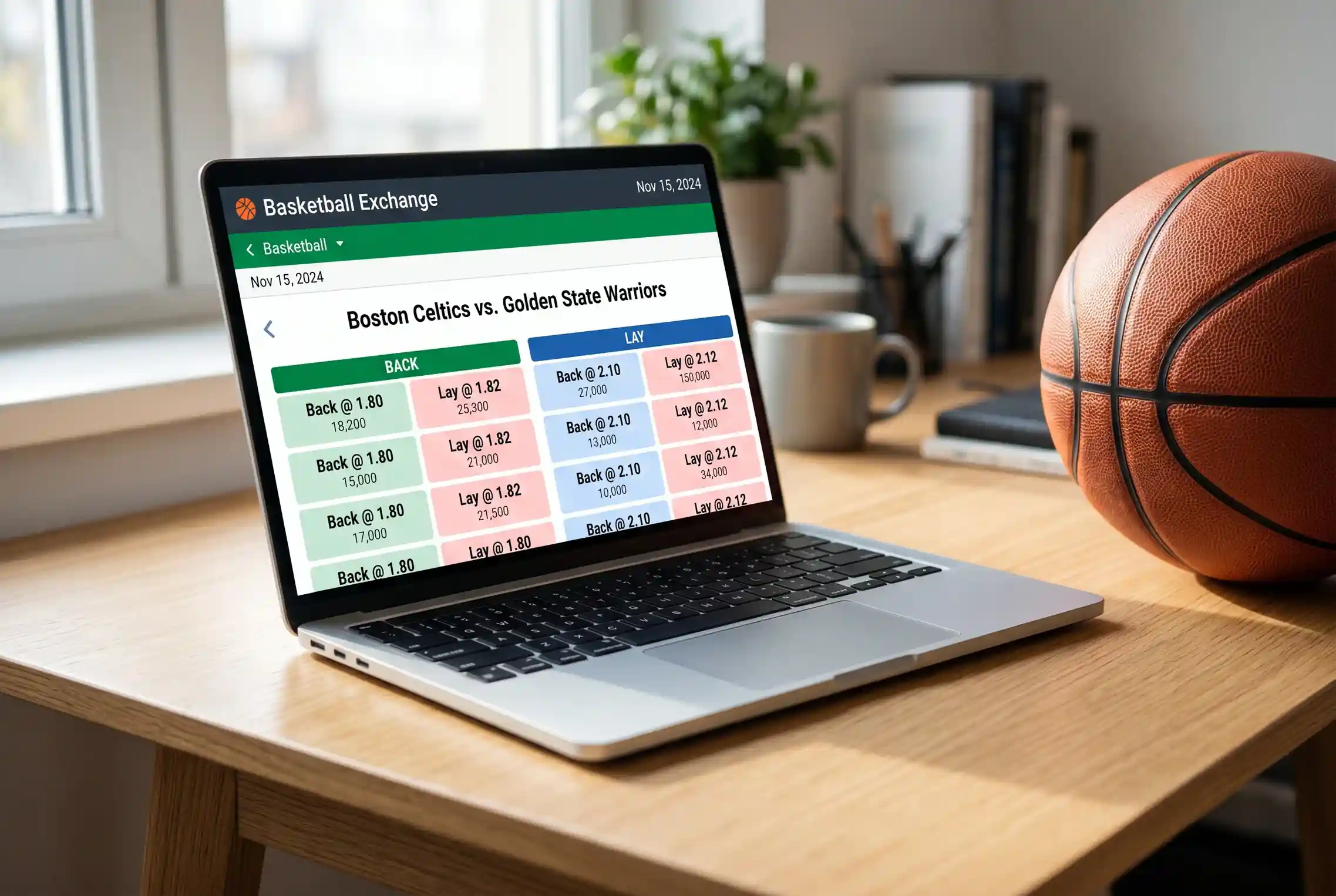
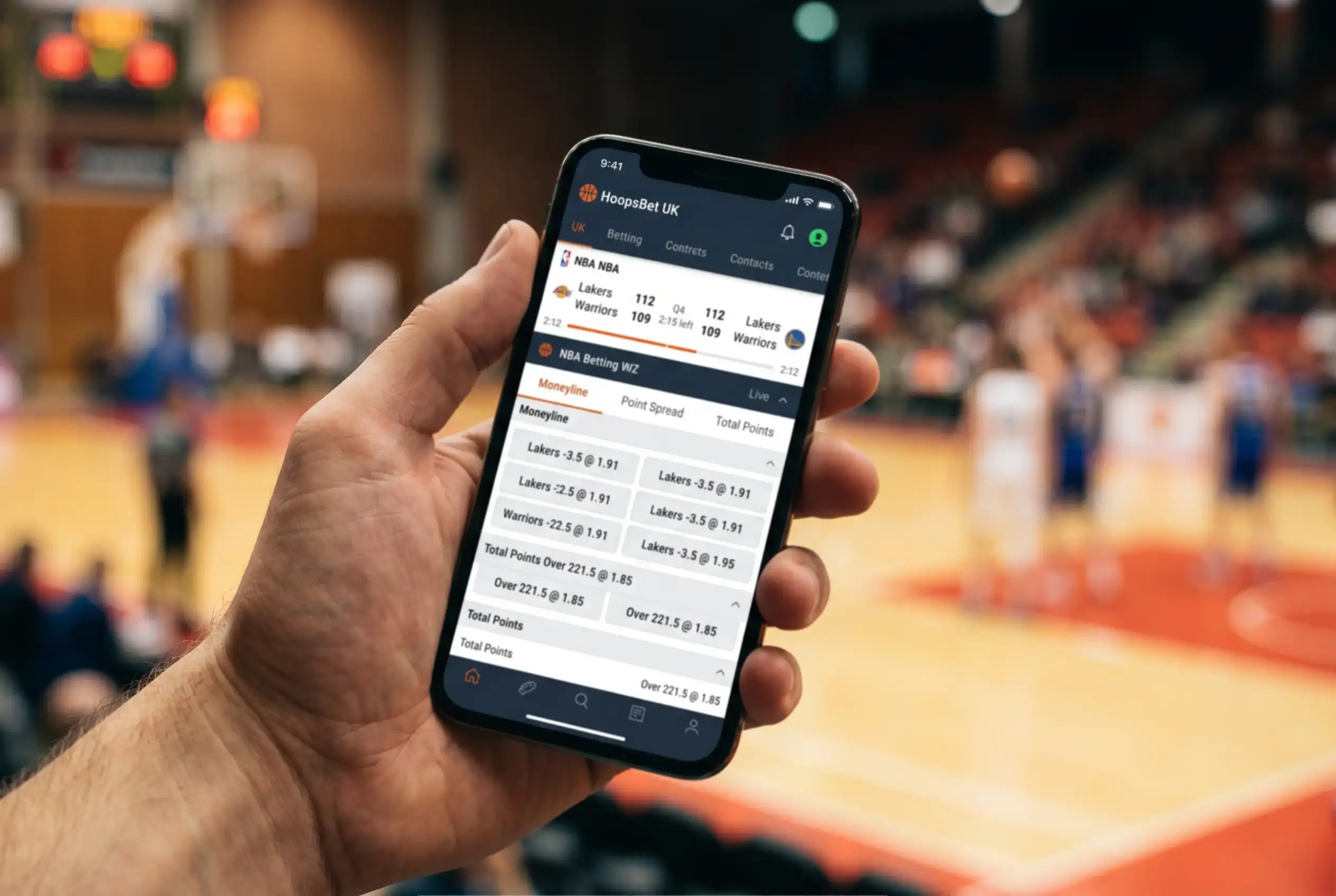
Basketball betting advertisements in the UK follow three primary channels: broadcast media (television and streaming overlays during NBA coverage), digital media (social media ads, search engine marketing, display advertising on sports news sites), and app-based marketing (push notifications, in-app banners, email campaigns).
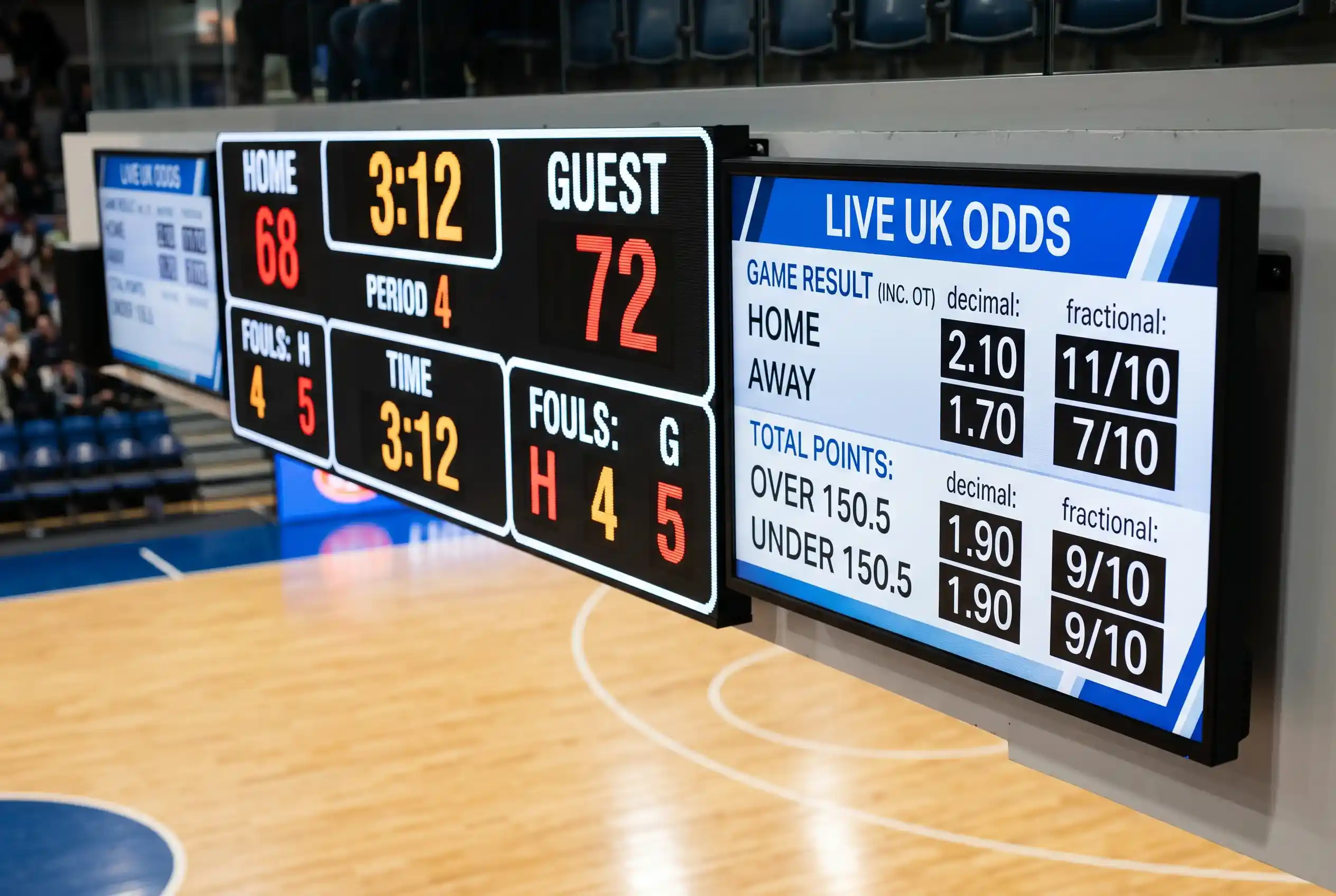
The broadcast channel has evolved significantly. UK streaming platforms carrying NBA games integrate betting partner branding into the broadcast itself — score graphics that include live odds, half-time segments featuring “best bets,” and post-game analysis that references betting lines. These integrations are subtler than traditional ad breaks but arguably more effective, because they embed betting within the viewing experience rather than interrupting it.
Digital marketing is where the targeting becomes surgical. Operators use behavioural data to serve basketball betting ads specifically to people who have shown interest in the NBA — through social media engagement, website visits, or app downloads. If you have ever Googled “NBA scores tonight,” you have entered a retargeting pool that will serve you betting ads for weeks. The precision of this targeting means the ads feel relevant rather than intrusive, which makes them harder to resist.
Push notifications from betting apps are the most direct channel. A notification at 22:30 saying “Lakers vs Celtics tips off in 60 minutes — get enhanced odds” arrives at exactly the moment you might be settling in for the evening. The timing is not coincidental. It is engineered to convert casual interest into a deposit and a bet.
Research on Advertising Impact Among Young Adult Bettors
Research submitted to the UK Parliament found that 87% of young adults and regular sports bettors who experienced problem gambling reported that advertising or marketing prompted them to gamble when they would not otherwise have done so. That figure — 87% — is extraordinary. It does not say advertising caused their problem gambling; it says advertising triggered specific betting occasions that would not have happened without the prompt.
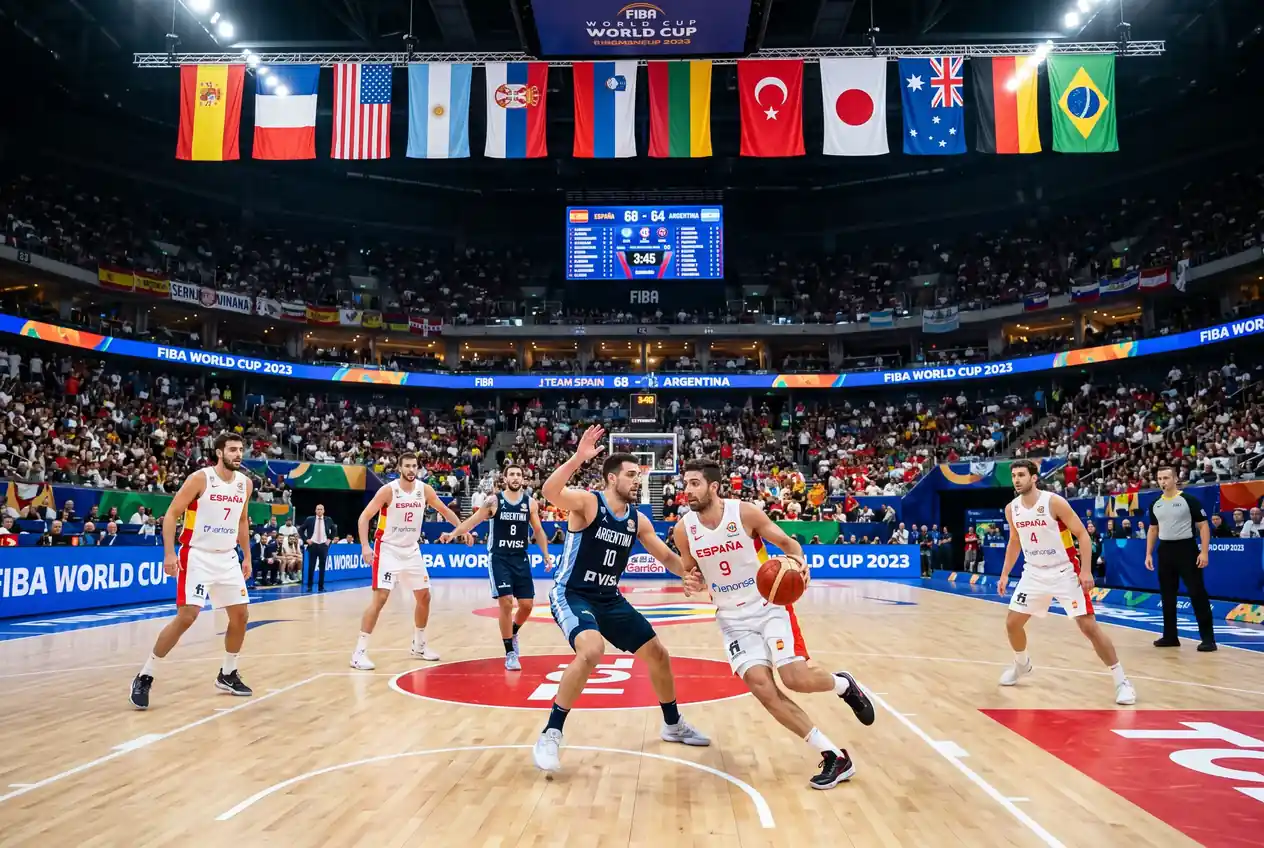
For basketball, the implications are amplified by the demographic profile of the audience. The 18-24 age group is the fastest-growing segment of the online betting market, and this is also the demographic most engaged with NBA content on social media. The overlap between the target audience for NBA media consumption and the target audience for betting advertising is almost complete. Every NBA highlight clip on a UK social media feed exists within an ecosystem of algorithmically placed betting ads.
Heather Wardle, professor at the University of Glasgow, has raised the question of whether a smaller gambling industry that produces fewer harms might be more sustainable in the long run. That question sits uncomfortably alongside an advertising landscape designed to maximise participation, and it is a tension that UK regulators have not yet resolved.
Current UK Advertising Restrictions for Gambling
The statutory levy introduced in April 2025 at 1.1% of GGY for online operators funds research, prevention, and treatment — but the advertising framework operates through separate regulatory channels. The Advertising Standards Authority and the Gambling Commission jointly enforce rules that prohibit gambling ads from targeting under-18s, from suggesting that gambling can solve financial problems, and from featuring content that appeals particularly to children.
The whistle-to-whistle ban on television gambling advertising during live pre-watershed sport, introduced voluntarily by the industry and later reinforced by regulation, applies to broadcasts before 21:00. Since most NBA games tip off after 23:00 UK time, the ban has limited impact on basketball-specific advertising. Pre-game build-up content, which airs before the watershed, is where basketball betting ads are most restricted. During the game itself — airing after 21:00 — the restrictions are lighter, and betting advertising appears more freely.
Social media advertising is harder to regulate. Platforms operate globally, targeting algorithms are opaque, and enforcement of UK-specific advertising rules on international tech companies remains a work in progress. For basketball bettors, this means the most persistent advertising pressure comes through channels that are least effectively regulated.
Staying Informed Without Being Influenced
I draw a sharp line between consuming basketball content and consuming betting content. I watch NBA games for analysis. I read injury reports and statistical breakdowns. I do not watch “best bets” segments, I do not follow operator social media accounts, and I do not enable push notifications from betting apps. The information I need to make good bets comes from data sources, not from promotional content.
This is not a radical position. It is the same approach any professional takes toward advertising in their field — a financial analyst does not make investment decisions based on bank commercials, and a basketball bettor should not make wagering decisions based on enhanced odds notifications. The promotional content is designed to generate impulse bets with short consideration windows, which is the opposite of the analytical, data-driven process that produces long-term value.
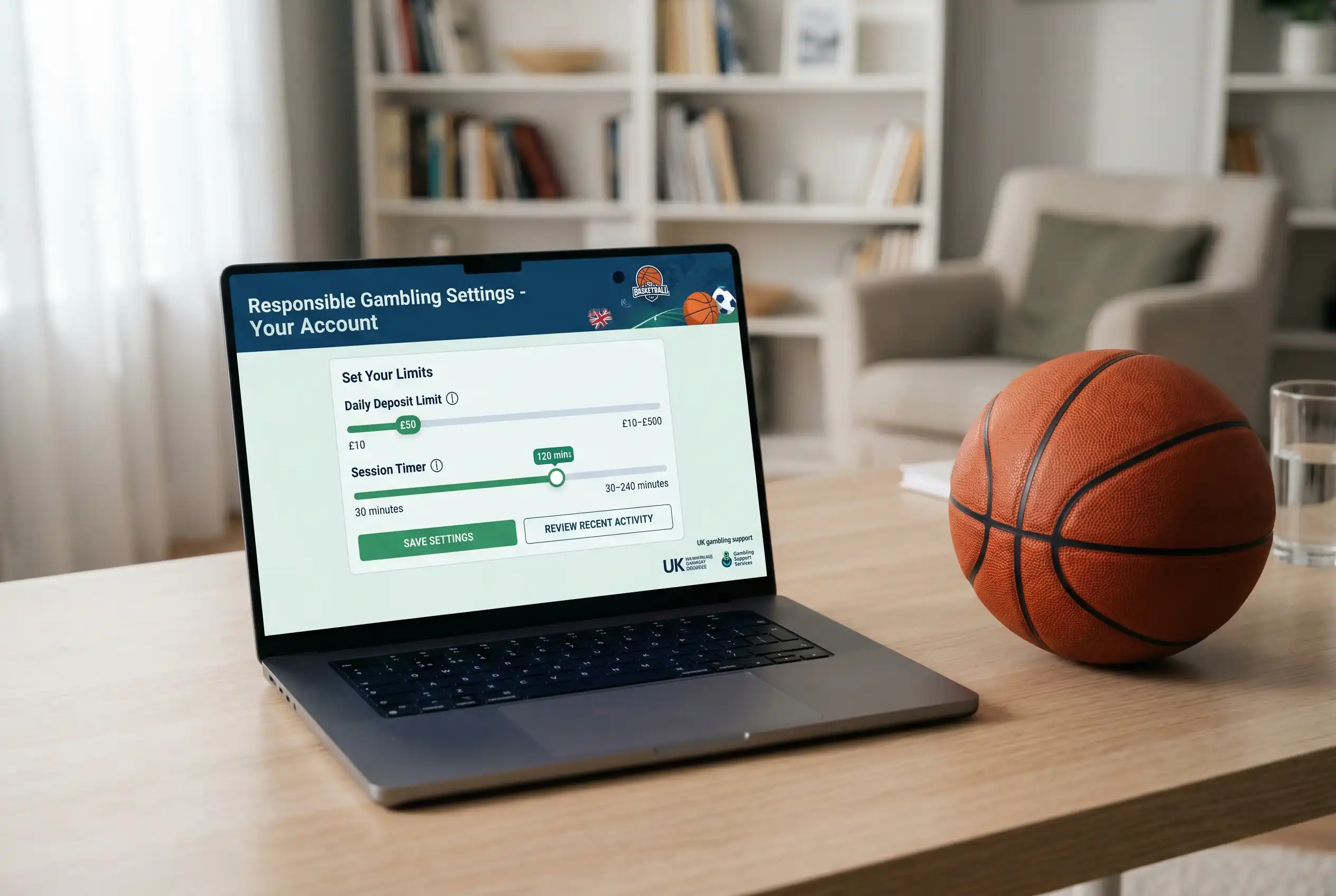
Practical steps: disable push notifications from all betting apps (you can still open the app when you decide to bet). Unfollow operator accounts on social media. Use an ad blocker on your browser. Set a pre-game analysis routine that you complete before opening any betting platform, so your selections are made in an advertising-free environment. These steps take five minutes to implement and permanently reduce the volume of uninvited betting prompts you encounter. For the full toolkit of UK responsible gambling protections, including deposit limits and self-exclusion, the responsible betting guide covers everything available to you under the current regulatory framework.
Are there restrictions on basketball betting ads during live NBA broadcasts in the UK?
The whistle-to-whistle ban on gambling advertising applies to pre-watershed live sport (before 21:00). Since most NBA games air after 23:00 UK time, the ban has limited effect on basketball. Post-watershed broadcasts carry gambling ads more freely, particularly during ad breaks and through in-broadcast odds integrations.
How does the UKGC enforce advertising standards for sports betting?
The UKGC works alongside the Advertising Standards Authority to enforce gambling advertising rules. Operators violating the standards — such as targeting minors or making misleading claims — face sanctions including fines, licence conditions, and in serious cases, licence review. Enforcement on social media platforms remains challenging due to the global nature of digital advertising.
Created by the ”Basketball Betting Markets” editorial team.