FIBA Basketball Betting UK: World Cup, Olympics and International Odds
 Available in US
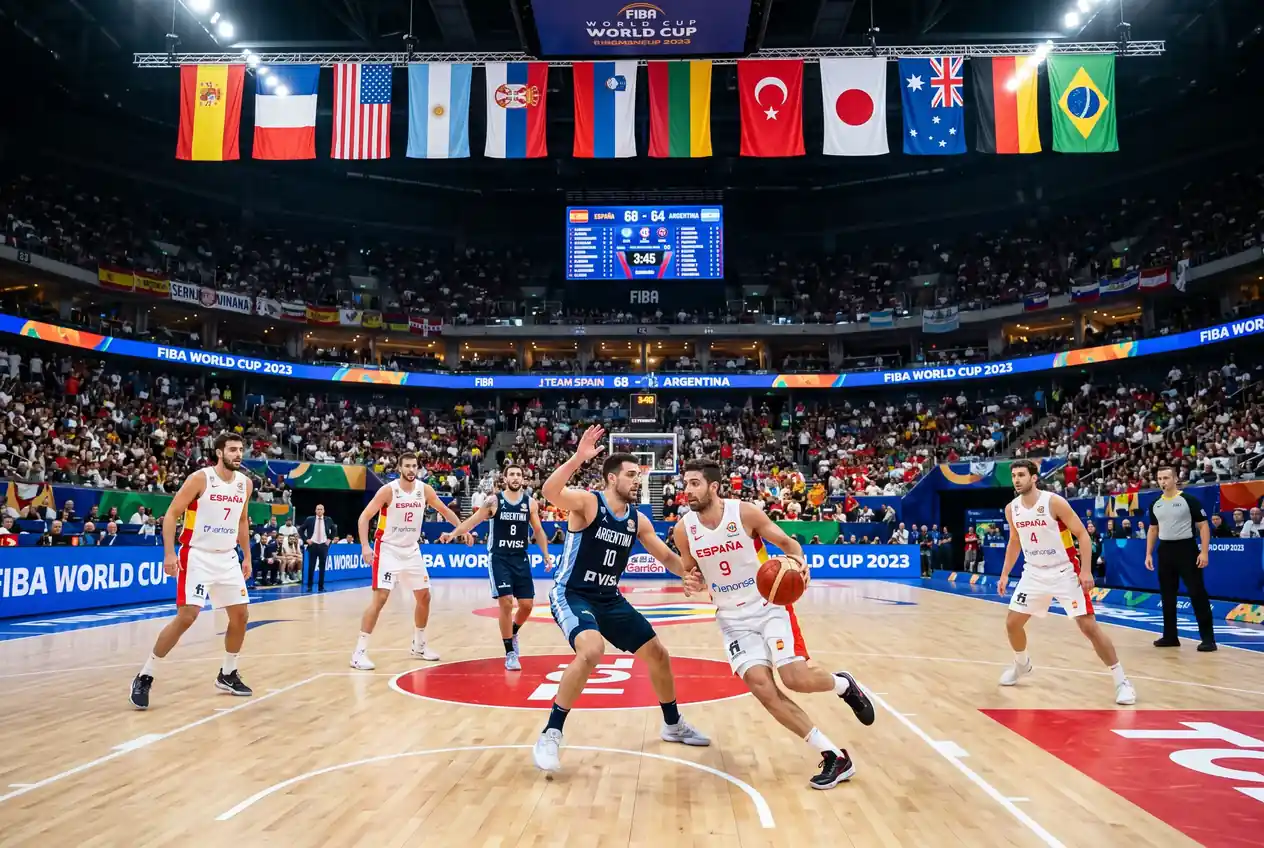
The 2023 FIBA World Cup in the Philippines gave me one of my best betting months of that year — not because I backed the right winner, but because the group stage matchups between unfamiliar teams produced pricing inefficiencies that simply do not exist in the NBA. International basketball tournaments are the wild frontier of basketball betting: short-duration events, limited form data, and a betting public that barely pays attention until the medal rounds.
Football holds roughly 35% of global betting market share, with basketball sitting second. Within basketball’s slice, international FIBA events occupy a niche that most UK bettors overlook entirely. That neglect is precisely what makes them interesting.
Major FIBA Tournaments UK Bookmakers Cover
The FIBA calendar operates on a four-year cycle anchored by two flagship events: the FIBA Basketball World Cup (held in odd years between Olympics) and the Olympic basketball tournament. Between these pinnacles sit continental championships — EuroBasket, AmeriCup, AfroBasket, and the Asia Cup — plus qualification windows that are scattered throughout the year and increasingly covered by UK operators.
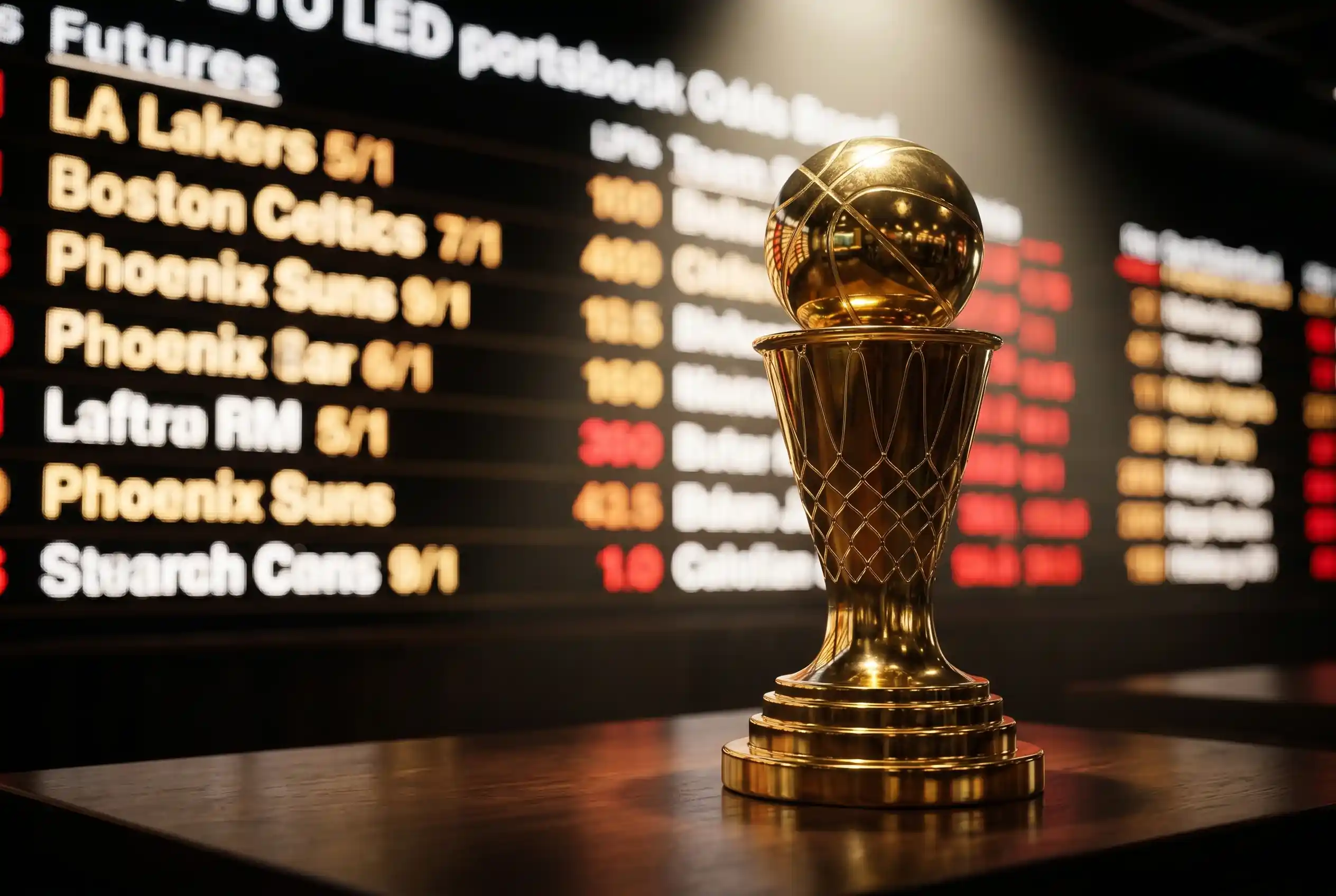
The World Cup is the most extensively covered FIBA event at UK bookmakers. Group-stage games carry moneyline, spread, and totals markets, with some platforms offering half-time lines and limited props for marquee matchups. Outright tournament winner futures open months in advance, and as the tournament progresses, round-by-round markets (quarter-final qualifiers, semi-final matchups) become available.
Olympic basketball receives similar coverage, amplified by the broader Olympic betting audience. The men’s and women’s tournaments both attract full market treatment at major UK platforms, with the women’s event growing in coverage each cycle. The compressed format — twelve teams, group stage into knockout rounds over two weeks — generates high-stakes games daily, which is ideal for bettors who want intense, short-duration engagement.
Continental championships and qualifiers are where coverage thins. EuroBasket, held every two years (most recently 2025), receives moderate UK coverage — moneyline and spread for most games, with futures for the outright winner. FIBA World Cup qualifiers, played in windows throughout the year, are available at some UK operators but often with moneyline-only markets and wide margins. If these events interest you, check coverage before the window opens and register with whichever platform offers the deepest selection.
Olympic Basketball Betting: Markets and Medal Odds
Olympic basketball is structurally different from every other basketball betting product available in the UK. The men’s tournament features twelve teams split into three groups of four, followed by a quarter-final knockout round. Games are 40 minutes under FIBA rules, played across multiple venues, and compressed into a two-week window that overlaps with dozens of other Olympic sports competing for attention and betting volume.
Medal odds — gold, silver, bronze podium finishes — are available as outright futures from most major UK operators. These markets are unique because the knockout format means a single bad game eliminates a team, regardless of group-stage dominance. The US men’s team typically opens as a heavy favourite (often around 1.50 or shorter), but upsets are more common than the odds suggest — FIBA rules, unfamiliar referees, and national team chemistry issues all contribute to higher variance than NBA playoff series.
For group-stage games, the edge often lies in matchups between mid-tier nations whose form is poorly understood by the UK market. A game between Germany and Australia in the Olympic group stage might be priced primarily on world ranking and reputation, without accounting for roster changes since the last major tournament or the specific coaching adjustments each team has made. These are the games I target, because the data gap between what the market knows and what a prepared bettor knows is widest.
FIBA Rules That Affect Betting Compared With NBA
Basketball accounts for an estimated 10-15% of global betting activity across all formats, and FIBA events contribute a meaningful share during tournament years. But the ruleset differences between FIBA and NBA have direct implications for how you analyse and bet on these games.
Game length is the most obvious: 40 minutes (four ten-minute quarters) versus the NBA’s 48 minutes. That eight-minute difference compresses scoring, typically producing totals between 140 and 175 compared to the NBA’s 200-235 range. If you import NBA scoring expectations into a FIBA context, you will systematically overestimate totals.
The three-point line is closer in FIBA (6.75 metres versus 7.24 metres in the NBA), but the goaltending rules are more permissive — once the ball touches the rim, any player can tap it in, unlike the NBA where the ball must not be touched while on the rim’s cylinder. This subtly increases scoring efficiency on second-chance opportunities and affects rebounding-related props.
Foul rules differ too. FIBA uses team fouls per quarter (five per quarter triggers bonus free throws) rather than the NBA’s per-period system. Players foul out after five personal fouls instead of the NBA’s six. The lower foul-out threshold means star players are at greater risk of disqualification, which introduces a variable that does not exist at the same intensity in NBA betting. A star player picking up three fouls in the first half of a FIBA game might sit the entire third quarter, dramatically altering the team’s scoring and the game’s total.
Short-Tournament Betting Strategy for FIBA Events
FIBA tournaments reward a different betting approach from the season-long grind of NBA analysis. You are working with limited data, short timelines, and a market that adjusts slowly because public attention is fragmented across multiple Olympic or World Cup sports. Adam Silver has repeatedly framed sports betting regulation as something that should be transparent and well-monitored, and international events present a testing ground for that principle, with multiple federations and governing bodies involved.
My strategy for FIBA events centres on three principles. First, front-load your research. Before the tournament starts, analyse every team’s roster, recent friendly results, and coaching tendencies. This is the equivalent of pre-season NBA analysis, condensed into a two-week window. Second, bet early in the group stage when the market is least informed. By the knockout rounds, media coverage has sharpened public awareness and the pricing becomes more efficient. Third, manage your bankroll as a standalone allocation. FIBA events are high-variance, short-duration projects that should not contaminate your regular NBA or EuroLeague betting. I allocate 3-5% of my total bankroll to each major FIBA tournament and accept that the entire allocation might be lost. The EuroLeague guide covers European club basketball, which serves as a useful bridge between NBA analysis and FIBA national-team events.
Can I bet on FIBA EuroBasket qualifiers from the UK?
Some UK operators cover EuroBasket qualification windows, though market depth is typically limited to moneyline and basic spread. Check your preferred platform shortly before each qualification window, as coverage availability varies by operator and by the specific matchup.
Do FIBA games use different overtime rules that affect bets?
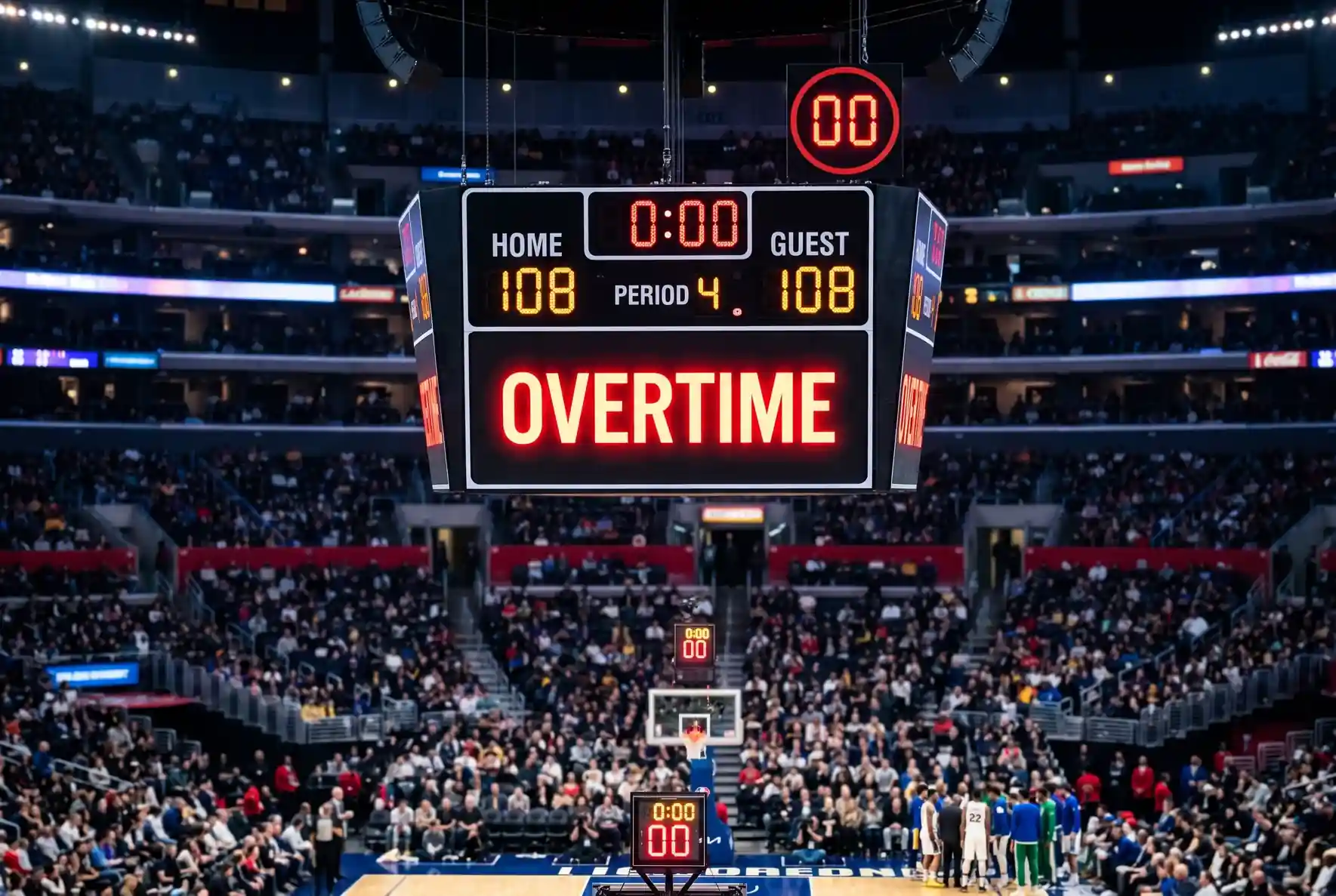
FIBA overtime is a single five-minute period, same as the NBA. If the game remains tied after one overtime, additional periods are played. Full-game bets (moneyline, spread, totals) include overtime scoring. The main betting-relevant difference is that FIBA games produce lower-scoring overtime periods on average due to the shorter regulation game and different pacing.
Prepared by the Basketball Betting Markets editorial staff.