NBA Over Under Totals Betting 2026
 Available in US
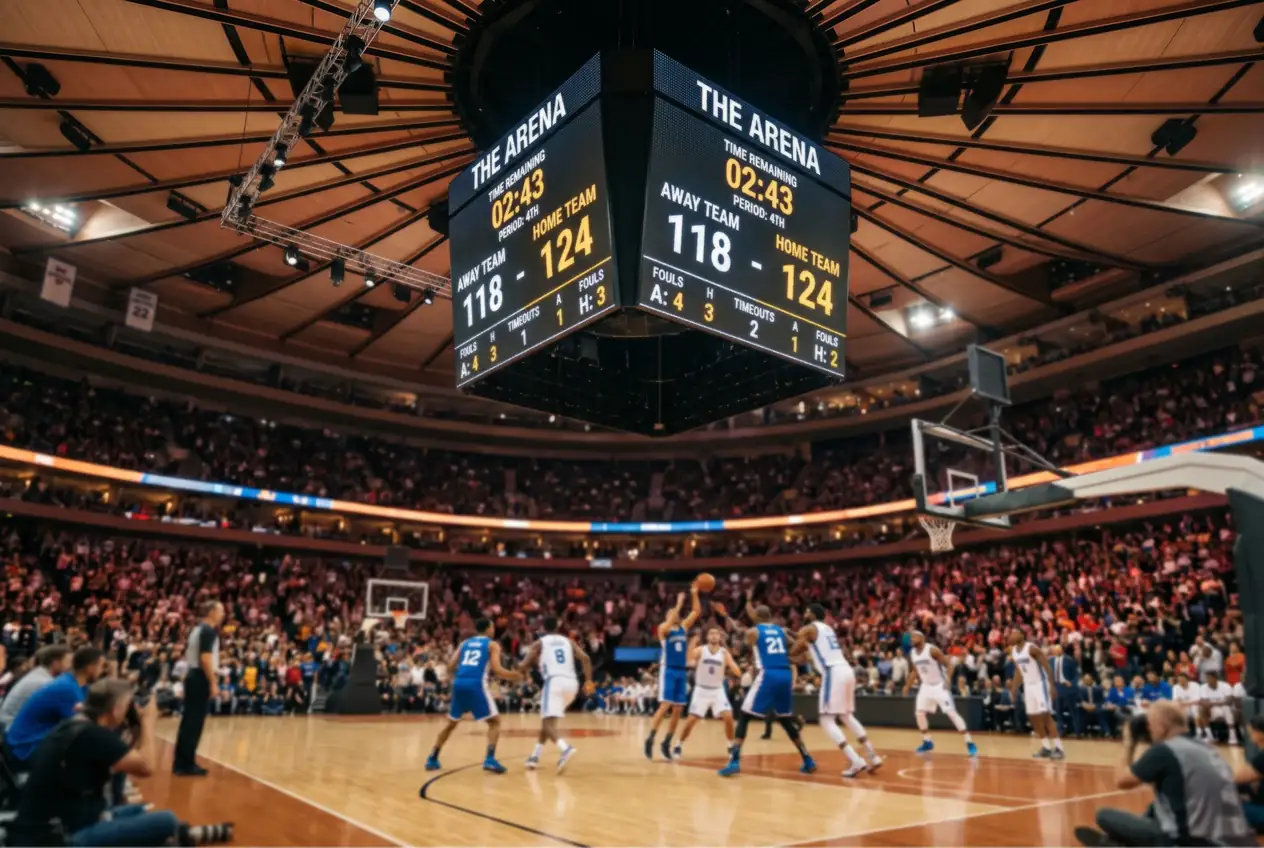
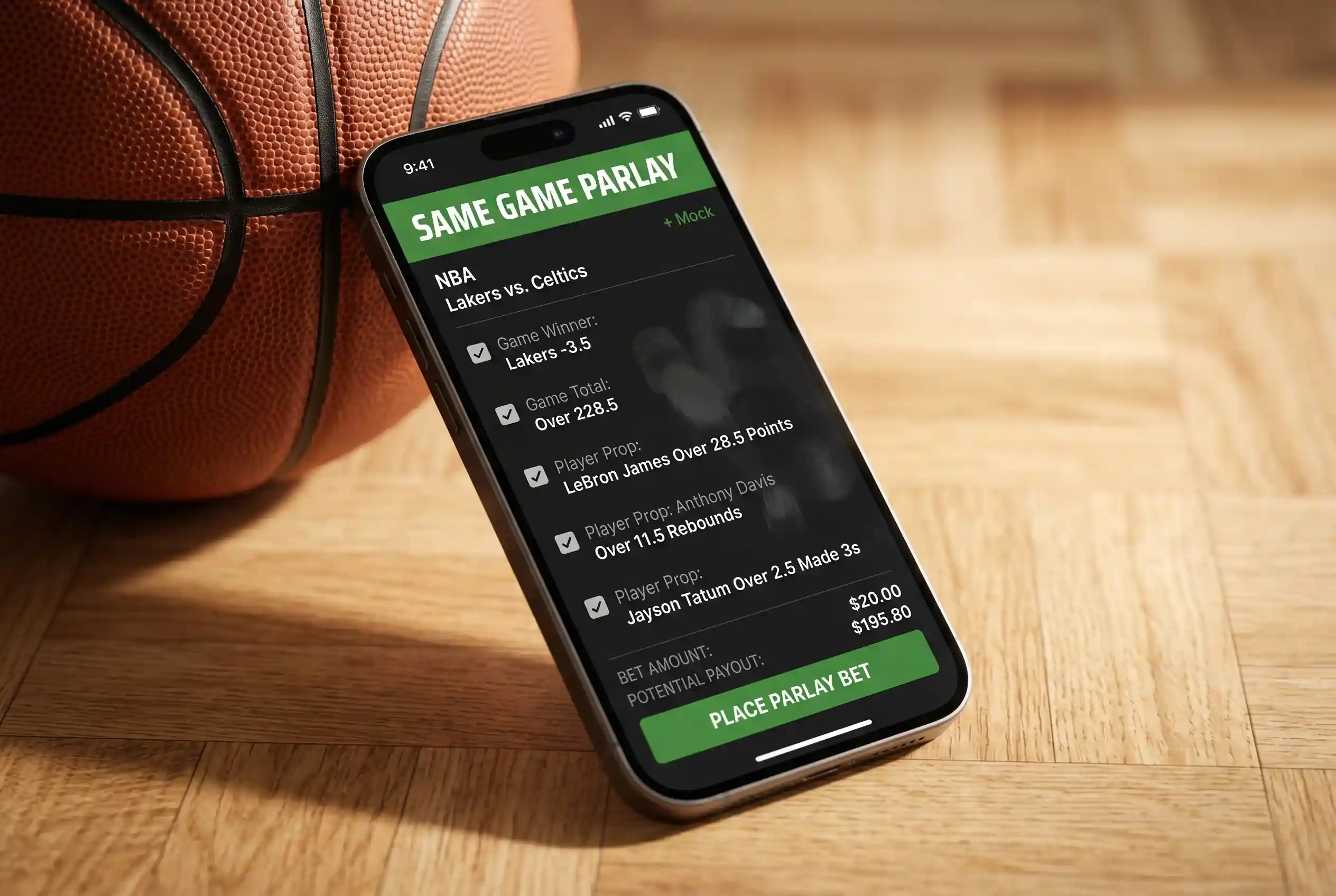
The game that converted me to totals betting was a November 2021 clash between the Kings and the Pacers. Both teams were mid-table, neither had a functioning defence, and the bookmaker set the total at 228.5. I hammered the over. Final score: 141-137 in overtime, 278 combined points. That single bet taught me more about totals than any guide I had read — because it also taught me that overtime inflated the result beyond what my pre-game analysis had actually predicted.
Totals — or over/under — betting asks a fundamentally different question from moneyline or spread markets. You are not picking a winner. You are predicting the combined scoring output of both teams, and that shifts your entire analytical framework toward pace, efficiency, and defensive matchups. In a global basketball betting market valued at around $10 billion, totals represent one of the most liquid and analytically accessible markets for UK punters willing to do the homework.
How Over/Under Totals Lines Work in NBA Betting
I explain totals to newcomers with a kitchen analogy: the bookmaker sets the temperature on the oven, and you decide whether the meal will come out hotter or cooler than the dial suggests. The “dial” is the total line — a number like 221.5 — and you bet on whether the combined final score of both teams will be over or under that figure.
Half-point lines (221.5 rather than 222) eliminate the possibility of a push — a dead heat where the result lands exactly on the number and stakes are returned. Bookmakers use half-points in the vast majority of NBA totals precisely because pushes are bad for their risk management. For you as a bettor, the half-point is irrelevant to your analysis; just decide which side of the number the game lands on.
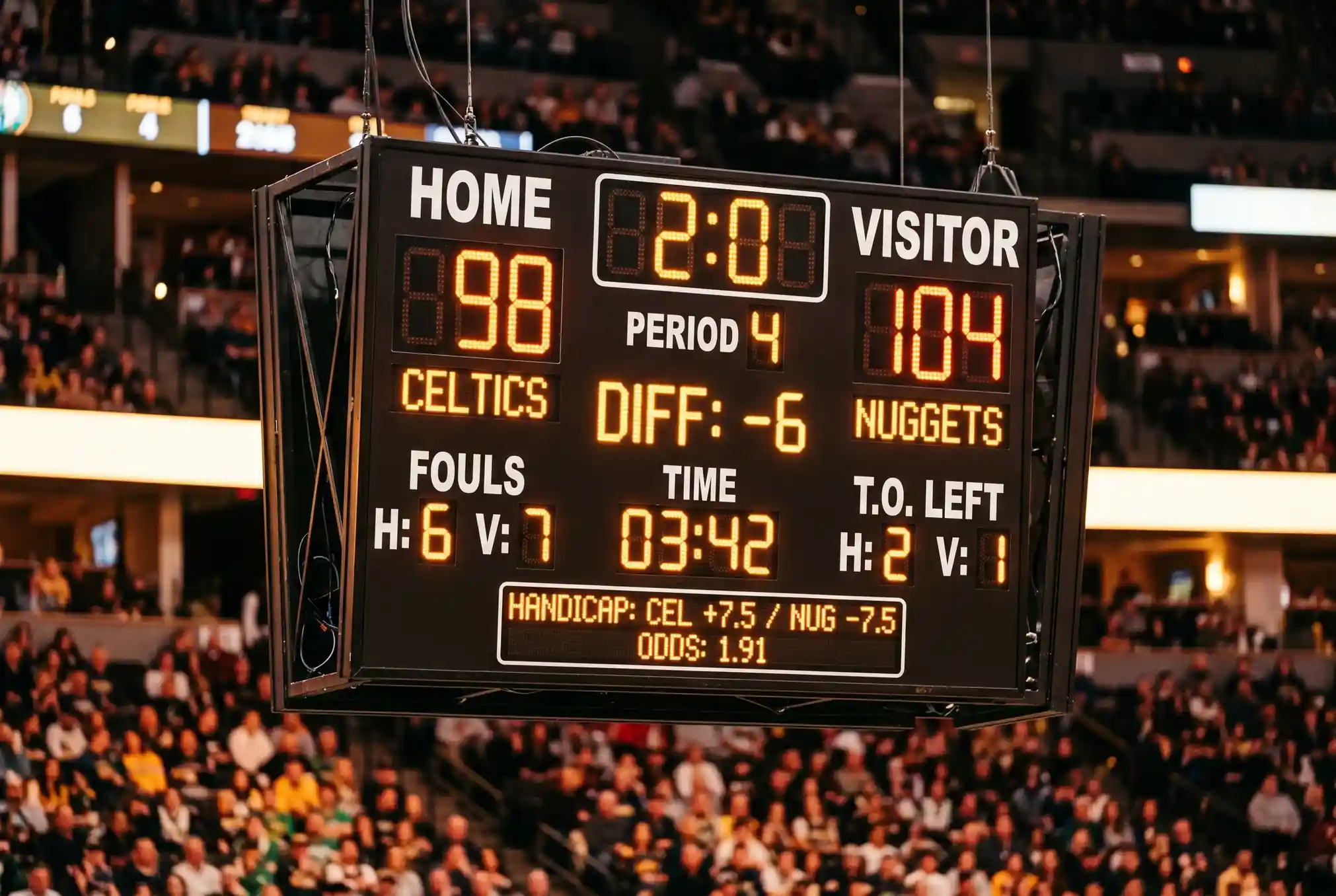
Odds on both sides of the total are usually priced close to even money — around 1.90 to 1.95 in decimal. The bookmaker’s margin sits in the gap between the two prices. When you see over 221.5 at 1.91 and under 221.5 at 1.91, the combined implied probability exceeds 100%, and that excess is the operator’s edge. Your job is to find games where your own probability estimate for over or under meaningfully exceeds the implied probability in the price.
Pace of Play, Defensive Ratings, and Totals Movement
Not every NBA game is created equal when it comes to scoring. Two elite defensive teams grinding through half-court sets produce a completely different totals profile from two up-tempo squads that push the ball in transition on every possession. The single most useful statistic for totals betting is pace — the number of possessions a team uses per 48 minutes.
High-pace teams like the 2025-26 Kings or Pacers routinely feature in games with totals set above 230. Low-pace, defence-first teams like the Knicks or Cavaliers appear in games with totals closer to 210 or below. When a high-pace team meets a low-pace team, the total sits somewhere in between, and that middle ground is where the most exploitable mispricings tend to occur. Bookmakers set the line using an algorithm that averages each team’s recent offensive and defensive ratings, but algorithms struggle with matchup-specific dynamics — how a particular defensive scheme disrupts a particular offensive style.
I track four metrics before taking a totals position: pace (possessions per game), offensive rating (points per 100 possessions), defensive rating (points allowed per 100 possessions), and three-point attempt rate. A team that shoots a high volume of threes introduces variance into every game — some nights they hit 40% and the total sails over, other nights they hit 28% and the under lands comfortably. That variance is not captured in a single total line, which is what makes three-point-heavy matchups interesting for totals bettors who can assess the shooting context.
How Injuries and Rest Days Shift NBA Totals
NBA real-time player tracking data — the kind that Sportradar distributes to operators through its partnership with the league — has made injury-related line movement faster than ever. When a star player is ruled out an hour before tip-off, the total can shift by three to five points within minutes. The question for you is whether the market has adjusted enough.
Consider a team whose primary scorer averages 28 points per game. His absence removes those 28 points from the equation — but it does not remove them entirely, because replacement players absorb some of the usage. Empirically, the net scoring drop when a top-ten scorer sits out is closer to eight to twelve points than the full 28, because his teammates take more shots and the opposing defence relaxes slightly. If the bookmaker has moved the total down by six points, the under may still hold value. If they have moved it down by twelve, the over might be the play. Every injury adjustment is a negotiation between the market’s reaction and the actual statistical impact.
Rest days compound the effect. Teams on the second night of a back-to-back average lower offensive efficiency, partly from fatigue and partly because coaches rest starters in the fourth quarter of blowouts. That suppresses totals, but again, the market knows this. The edge comes from identifying the specific back-to-back situations where the adjustment is insufficient — typically when both teams are on the second night, a scenario that occurs several times each season and reliably pushes actual combined scores below the posted total.
Live Totals Betting: Adjusting Mid-Game
Live betting now accounts for over 62% of the online sports betting market globally, and basketball’s quarter-by-quarter structure makes it one of the best sports for in-play totals. After the first quarter, you have real data — actual pace, actual shooting percentages, actual foul rates — that either confirms or contradicts your pre-game thesis.
The approach I use is simple. If I took the over pre-game and the first quarter confirms a high-pace, high-scoring pattern, I sit tight. If the first quarter is unusually low-scoring due to heavy fouling or cold shooting, I reassess. Cold shooting in the first quarter is often noise — three-point percentages regress toward the mean over 48 minutes. Heavy fouling, on the other hand, is structural: it slows pace, sends teams to the free-throw line (which consumes clock), and compresses scoring. Distinguishing between noise and structure in the first twelve minutes is the core skill of live totals betting.
One trap to avoid: adjusting your position purely because the live total has moved. The live line reflects the market’s updated estimate, not some objective truth. If the pre-game total was 222.5 and the first quarter produced only 48 combined points, the live total might drop to 210.5 for the remaining three quarters. That does not mean the under is now the right bet — it means the market has already priced in the slow start. Your edge, if it exists, comes from knowing whether the slow start will persist or revert. Check the point spread mechanics for more on how lines adjust during live play.
Building a Totals-First Approach to NBA Betting
I gravitated toward totals early in my career because the analytical framework is cleaner than moneyline or spread betting. You do not need to predict which team wins — just how much scoring the game produces. That removes an entire layer of uncertainty (team quality, clutch performance, referee tendencies in close games) and replaces it with a question that statistical models handle well: given these two teams’ pace and efficiency, what is the expected combined score?
Build a simple model. Pull pace and offensive/defensive rating data from any free NBA stats site. Calculate expected possessions for the game (average of both teams’ pace figures) and multiply by combined expected points per possession. Compare your number to the bookmaker’s total. If the gap is more than three points, you have a potential bet. If it is less than three points, the market is probably right, and you should pass.
Over a full NBA season, this mechanical approach — combined with injury and rest-day adjustments — has produced a positive return in six of my eight years working in this space. It is not glamorous, it will not generate viral screenshots of massive payouts, but it works. And in betting, working is the only metric that matters.
How do bookmakers settle NBA totals bets that go to overtime?
Overtime scoring counts toward the final total for settlement. If the pre-game total is 221.5 and the game finishes 115-110 after overtime for a combined 225, the over wins. The only exception is quarter-specific or half-specific totals, which settle at the end of the relevant period regardless of overtime.
What is the average NBA game total set by UK bookmakers?
NBA totals in the 2025-26 season typically range from 208 to 238, depending on the matchup. The league average sits around 220-224, but individual game totals vary significantly based on pace, defence, and injury context.
Published by the Basketball Betting Markets team.